Clonesta Signature: The Organic Handwritten Font for Authentic Branding
There’s a specific kind of warmth that digital communication often misses. It’s the human touch, the slight imperfection of a hand-drawn letter, the flow of ink on paper. For designers and brand builders seeking to inject that authentic, personal feeling into their projects, the typeface you choose is your most powerful tool. Enter Clonesta Signature, an organic handwritten font designed to bridge the gap between digital precision and human artistry. It’s not just a collection of letters; it’s a design asset built for connection.
A Typeface with Personality, Not Just Style
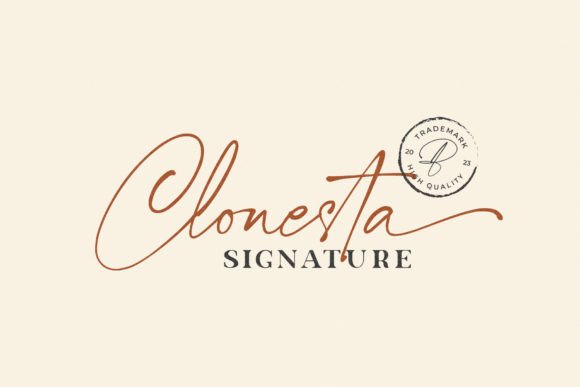
At its core, Clonesta Signature is a script font that mimics the natural, flowing motion of a confident hand. Its visual character is defined by gentle curves, varying stroke widths, and a relaxed rhythm that feels both modern and timeless. This isn’t a rigid, formal calligraphy. Instead, it carries an approachable, slightly organic personality—think of the elegant scrawl on a boutique label or the heartfelt inscription in a wedding card. The overall appeal lies in its versatility; it can feel luxurious, casual, or playful depending on the context and the colors it’s paired with.
As a premium font, its quality is evident in the details. The connections between letters feel natural, and the baseline has a subtle, human-like wobble that adds to its charm. This makes it a standout creative font for projects where you want to convey sincerity, craftsmanship, and individuality. It’s a typeface that tells a story before the words are even read.
Where Clonesta Signature Truly Shines: Practical Applications
The real value of a font like Clonesta Signature is realized in its application. It’s a workhorse for specific needs where a personal touch is non-negotiable. Let’s break down where it delivers the most impact.
Branding and Logo Design: This is where the font excels. For entrepreneurs, small business owners, and creators building a brand identity, a handwritten logo immediately sets a tone of authenticity. Imagine it on a coffee shop’s signage, a skincare product’s packaging, or a freelance photographer’s watermark. It suggests that there’s a real person behind the brand, fostering trust and recognition. Paired with a clean sans serif font for body text, it creates a perfect balance of personality and professionalism.
Wedding and Event Stationery: The wedding invitation is a classic use case for a beautiful script font. Clonesta Signature brings an intimate, celebratory feel to invitations, RSVP cards, menus, and thank-you notes. Its organic flow complements floral designs and textured papers, helping to craft a cohesive and memorable aesthetic for the big day.
Packaging and Product Labels: In a crowded marketplace, packaging design needs to tell a story quickly. Using this handwritten font on labels for artisan goods—like homemade jams, craft beers, or organic candles—instantly communicates small-batch quality and care. It makes a product feel special and considered, which can be a powerful differentiator.
Digital and Editorial Design: Don’t limit this display font to print. It’s incredibly effective for web design and social media graphics. Use it for hero sections on websites, pull quotes in blogs, or eye-catching text overlays on Instagram stories and Pinterest pins. For bloggers and content creators, it adds a layer of personal branding to digital content, making it feel more curated and less generic.
Making It Work: Guidance for Designers and Creators
Choosing a font is just the first step. Using it effectively is what separates good design from great design. Here’s some practical advice for integrating Clonesta Signature into your workflow.
Evaluating Project Fit: Before you commit, ask yourself: does this project need a human voice? If you’re designing a corporate law firm’s annual report, this probably isn’t the right choice. But if you’re creating a menu for a farm-to-table restaurant, a course workbook for a life coach, or a social media campaign for a new boutique, the fit is natural. Its strength is in projects that value storytelling and emotional connection over strict formality.
Mastering Font Pairing: A handwritten font like this should rarely be used for large blocks of body copy. Its magic is in headlines, logos, and accents. The key is to pair it with a highly legible typeface for longer text. A geometric sans serif font like Montserrat or Lato provides a clean, modern counterpoint. For a more classic look, a sturdy serif font like Lora or Merriweather can ground the script’s whimsy. Always test your pairings at various sizes to ensure the hierarchy is clear.
Leveraging PUA Encoding: One of the most practical features of Clonesta Signature is that it is PUA encoded. This is a crucial technical benefit. In plain terms, it means all the special characters, stylistic alternates, and decorative swashes are easily accessible without needing advanced design software. Whether you’re using Adobe Illustrator, Photoshop, or even basic applications, you can access the full glyph set to add flourishes to initial capitals or create unique ligatures. This gives you creative control and helps avoid the frustration of missing characters.
Considering Readability: While beautiful, handwritten fonts can pose readability challenges, especially at small sizes or in low-contrast situations. Use Clonesta Signature for short, impactful text. Ensure there is sufficient contrast between the text color and the background. For digital use, test it across devices and screen sizes. A little goes a long way; its purpose is to attract the eye, not to be read in lengthy paragraphs.
Ultimately, Clonesta Signature is more than just a commercial font—it’s a tool for crafting experiences. It’s for the designer who understands that modern typography isn’t about cold perfection, but about strategic warmth. By choosing this typeface, you’re not just selecting letters; you’re adopting a voice that can make your brand, your project, or your message feel genuinely, compellingly human.