Bunny: The Sweet Handwritten Font for Joyful Designs
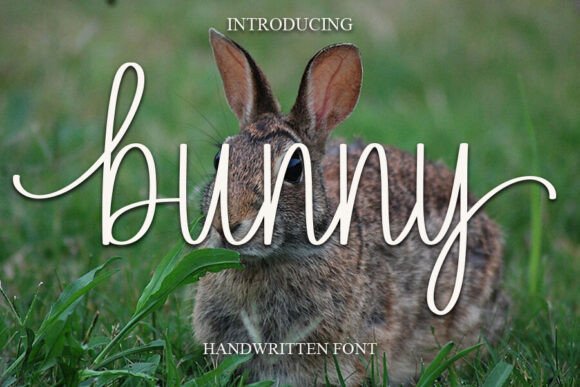
In a digital world saturated with sharp edges and sterile interfaces, there's a growing hunger for authenticity and warmth. This is where the right typeface steps in, not just as a collection of letters, but as a voice. Bunny is a prime example—a sweet and cursive handwritten font that carries a distinct personality. It’s not merely a script font; it’s a tool for infusing projects with a gentle, joyful, and romantic character. Think of it as the visual equivalent of a friendly, handwritten note in a sea of printed memos.
The Gentle Personality of Bunny
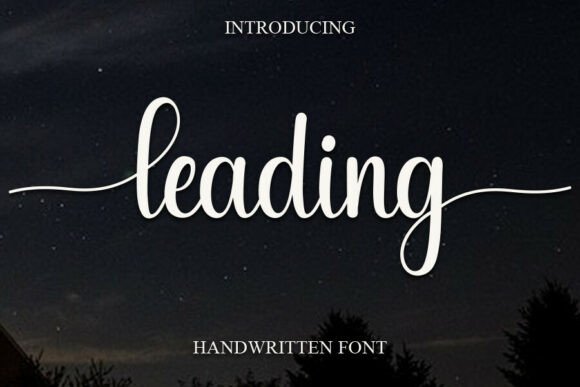
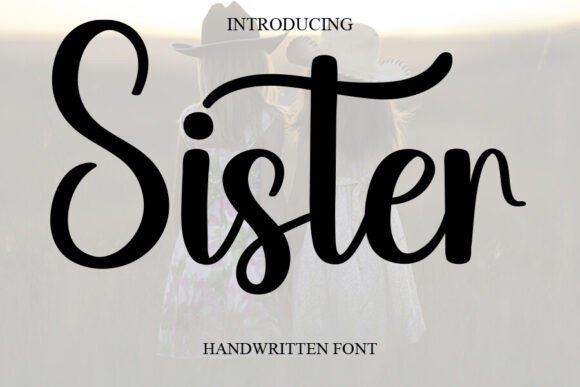
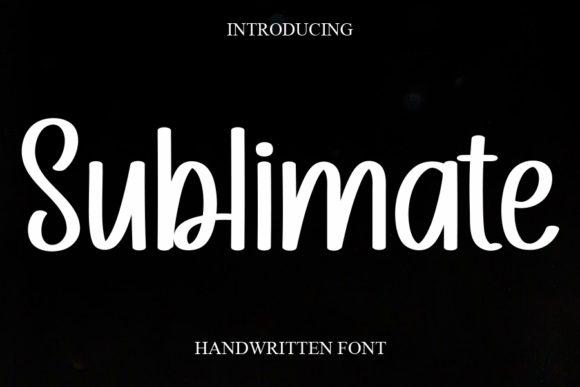
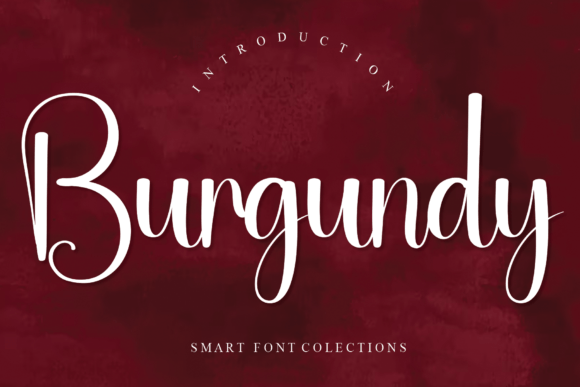
What defines Bunny at a glance? Its visual characteristics are rooted in a flowing, connected script that mimics the natural rhythm of a relaxed hand. The letterforms are rounded and soft, with smooth connections that avoid harsh angles. This creates an approachable and inviting feel, steering clear of the formality that can sometimes come with traditional cursive. The overall appeal is one of casual elegance—it’s fancy enough to feel special, yet casual enough to remain friendly and accessible.
This typeface doesn’t shout; it converses. Its personality is inherently cheerful and intimate, making it ideal for projects that aim to create an emotional connection. It’s the font you choose when you want your design to feel personal, celebratory, and full of life. Whether it’s gracing a wedding invitation or a boutique logo, Bunny adds that essential human touch that automated, geometric fonts often lack.
Where Bunny Truly Shines: Practical Applications
Understanding a font's strengths is key to using it effectively. Bunny excels in contexts where warmth and personality are paramount. Its versatility as a creative font allows it to adapt across various mediums, but its sweet spot is clear.
- Branding and Logo Design: For businesses that want to project friendliness, creativity, and approachability, Bunny is a strong contender. Imagine a bakery logo, a boutique florist, or a handmade craft shop. The font immediately communicates the brand’s heart-centered ethos. It works beautifully for logotypes, subheadlines, or taglines within a broader brand identity system.
- Wedding and Event Stationery: This is a natural home for Bunny. Its romantic and elegant yet casual style is perfect for save-the-dates, invitations, RSVP cards, programs, and thank-you notes. It sets a joyful tone for the celebration right from the first piece of correspondence guests receive.
- Marketing and Social Media: In the realm of social media graphics, Bunny helps posts stand out with a personal touch. It’s excellent for quotes, promotional announcements for sales or launches, and Instagram Stories where a human voice is needed. For small businesses and creators, it can make marketing materials feel less corporate and more community-focused.
- Publishing and Editorial Design: Think beyond body text. Bunny can be a fantastic display font for chapter titles in a lifestyle book, pull quotes in a magazine, or headings in a blog post about crafts, recipes, or travel. Its charm enhances editorial design by adding visual interest and breaking the monotony of standard serif or sans serif font blocks.
- Packaging and Product Labels: For artisanal products—from candles and soaps to gourmet foods—Bunny can elevate the packaging design. It suggests the product is made with care and attention, appealing to consumers looking for authentic, high-quality goods.
- Personal and Hobby Projects: The font isn’t just for commercial use. Crafters, hobbyists, and bloggers can use it to design personalized greeting cards, scrapbook layouts, DIY project labels, or unique digital planners. It turns ordinary projects into keepsakes.
Making Bunny Work for Your Project: A Practical Guide
Choosing a font like Bunny is just the first step. Using it effectively requires some strategic thought to ensure it enhances, rather than hinders, your project’s goals.
Evaluating Fit and Readability
Always start by asking: does this font’s personality align with my project’s message? Bunny is perfect for a children’s birthday party invitation but might not be the right choice for a corporate law firm’s annual report. Its primary strength is in headings, logos, and short bursts of text where its character can be fully appreciated. For longer blocks of text, readability can become a concern. Handwritten fonts, especially cursive ones, are best used sparingly for maximum impact. Pair it with a clean, neutral serif font or sans serif font for body copy to create a clear visual hierarchy.
Mastering Font Pairings
The magic often happens in combination. Bunny pairs beautifully with fonts that provide contrast and stability. A simple, geometric sans serif like Montserrat or a classic serif like Lora can create a balanced and professional layout. When testing font pairings, consider the x-height and weight. You want the companion font to complement Bunny, not compete with it. The goal is a harmonious design where Bunny brings the flair, and the other font ensures clarity.
Understanding the Package
A quality premium font often comes with more than just basic letters. Review the font package for included styles. Bunny may offer stylistic alternates, swashes, or ligatures that allow for more customized typographic compositions. These features can add extra flair to a logo or headline. Furthermore, always verify the licensing. If your project is commercial—whether it’s a client’s logo, product packaging, or monetized blog—you need to ensure you have the proper commercial font license. This is a critical step in maintaining professionalism and avoiding legal issues.
Considering the Medium
Context is everything. Test Bunny at the size it will be used. A font that looks charming on a large screen might become illegible when printed small on a business card or scaled down for a mobile website. Conduct real-world tests. Print a sample, view it on different devices, and get feedback. The elegance of a script font must be balanced with practical functionality.
Ultimately, Bunny is more than just another handwritten font in your library. It’s a versatile design asset that, when used thoughtfully, can significantly influence how an audience perceives your work. It fosters brand recognition through its distinct style, enhances engagement with its approachable personality, and adds a layer of professionalism by showing careful attention to typographic detail. In the vast toolkit of modern typography, Bunny offers a specific, valuable voice: one of joy, romance, and effortless charm.